Prairie gardening beautifully replicates the American Midwest’s natural landscapes, utilizing native species for a relaxed, romantic, and low-maintenance garden experience.
What is a Prairie Garden?
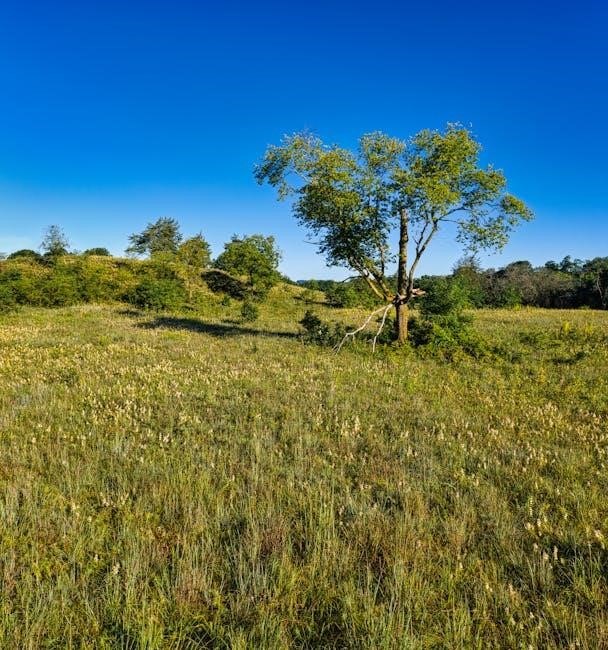
A prairie garden is a captivating landscape design inspired by the vast, open grasslands of North America. Unlike traditional, highly manicured gardens, prairie gardens embrace a more naturalistic aesthetic, mimicking the beauty and resilience of native prairie ecosystems. These gardens prioritize native plant species – grasses, wildflowers, and perennials – adapted to local climate and soil conditions.
The style is often described as relaxed, informal, and romantic, offering a haven for pollinators and wildlife. Prairie gardens require minimal human intervention once established, reducing the need for frequent mowing, fertilizing, and pesticide use. They represent a sustainable and ecologically beneficial approach to gardening, celebrating the inherent beauty of the natural world.
Benefits of Prairie Gardening
Prairie gardening offers a wealth of advantages for both gardeners and the environment. By utilizing native plants, these gardens require less water, fertilizer, and pesticides, promoting sustainability. They provide crucial habitat and food sources for pollinators like bees and butterflies, supporting biodiversity.
Furthermore, prairie gardens are remarkably low-maintenance once established, freeing up time for other pursuits. Their naturalistic beauty offers a calming and aesthetically pleasing landscape. The resilient nature of prairie plants ensures a vibrant garden even during challenging weather conditions, creating a beautiful and ecologically sound outdoor space.
Understanding Prairie Ecosystems
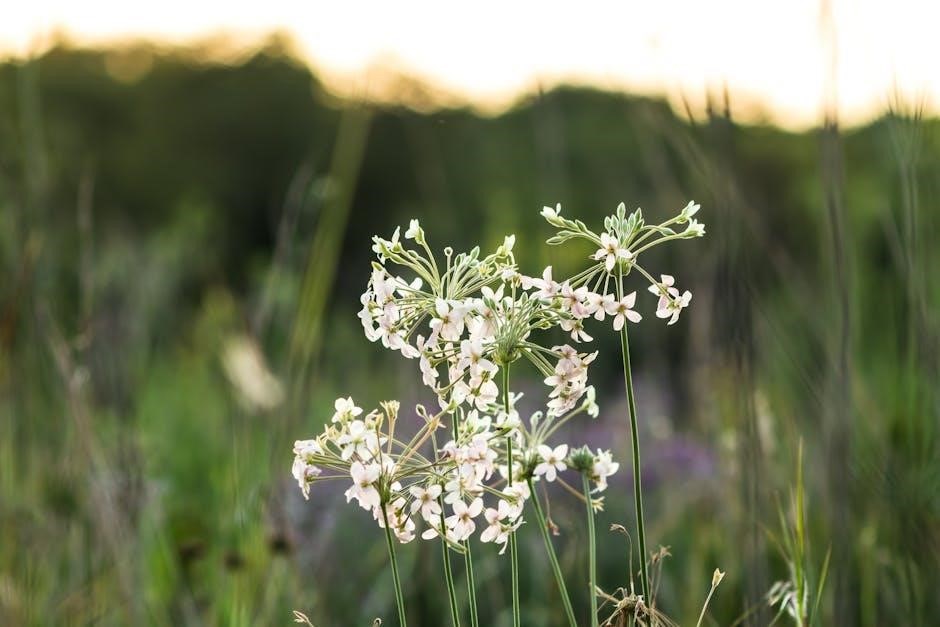
Prairie ecosystems are characterized by vast grasslands, strong winds, and resilient plants adapted to periodic fires – crucial for maintaining their health and diversity.
Native Prairie Regions of North America
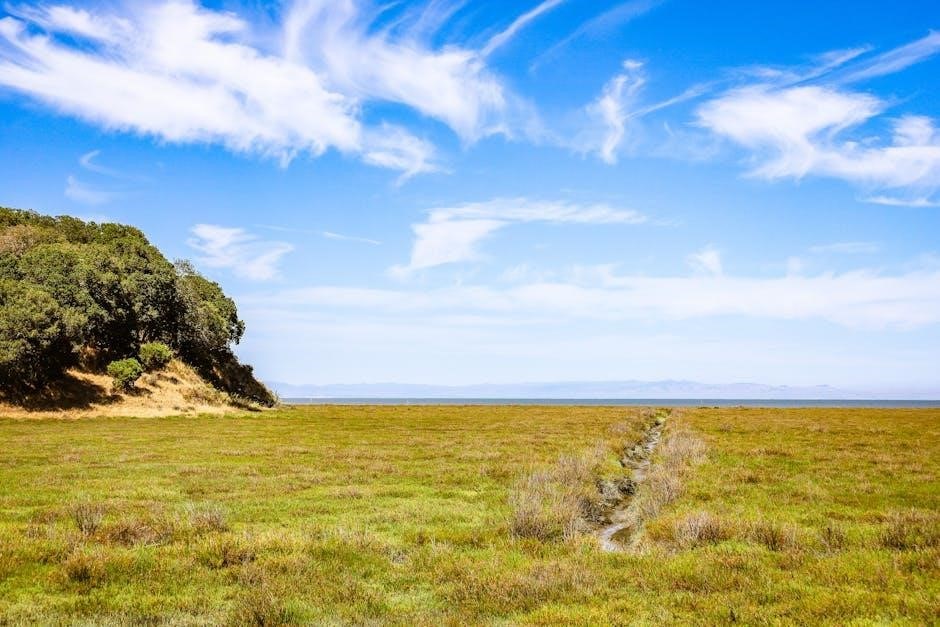
Historically, expansive prairie lands stretched across central North America. The Tallgrass Prairie, once dominating states like Iowa, Illinois, and Missouri, featured grasses reaching impressive heights. Further west lay the Mixed Grass Prairie, transitioning into shorter grasses and incorporating areas of the Great Plains – spanning parts of Montana, the Dakotas, and Nebraska.
The shortgrass prairie, found in the more arid regions of Wyoming, Colorado, and New Mexico, showcased drought-tolerant species. These distinct regions, shaped by rainfall patterns and climate, fostered unique plant communities. Understanding these origins is vital for selecting appropriate plants for a successful prairie garden, ensuring authenticity and ecological benefit.
Key Characteristics of Prairie Plants
Prairie plants exhibit remarkable adaptations to withstand harsh conditions. Deep, extensive root systems are crucial for surviving droughts and anchoring against strong prairie winds. Many species demonstrate tolerance to periodic fires, a natural element of the prairie ecosystem, with some even requiring fire for seed germination.
Grasses typically dominate, alongside a diverse array of flowering perennials. These plants often feature narrow leaves to reduce water loss and vibrant blooms to attract pollinators. Their collective resilience and ability to thrive with minimal intervention define their unique character.
The Role of Fire in Prairie Maintenance
Fire is not destructive, but restorative in prairie ecosystems. Historically, natural fires prevented the encroachment of trees and shrubs, maintaining the open grassland environment. Many prairie plants have evolved to not only survive fire, but to benefit from it.
Fire clears away accumulated dead plant material, releasing nutrients back into the soil and stimulating new growth. It also aids in seed germination for certain species. Controlled burns, carefully managed, mimic this natural process, ensuring the long-term health and biodiversity of the prairie.
Selecting Prairie Plants for Your Garden
Choosing the right plants involves considering sunlight, soil conditions, and desired aesthetics, ensuring a thriving prairie garden tailored to your specific location.
Sunlight and Soil Requirements
Prairie plants generally demand full sun exposure – at least six to eight hours daily – to flourish and display their vibrant blooms. They evolved in open landscapes, adapting to intense sunlight; Soil composition is equally crucial; most prairie species thrive in well-drained soils, often slightly poor or infertile.
Rich, heavily amended soils can actually encourage overly vigorous growth, leading to flopping and reduced flowering. A loamy or sandy loam texture is ideal, mimicking the natural prairie environment. Prior to planting, assess your soil’s drainage and consider amending it with grit or sand if necessary to improve it.
Popular Prairie Grasses
Little bluestem (Schizachyrium scoparium) is a cornerstone, offering stunning fall color and textural interest. Big bluestem (Andropogon gerardii) provides height and dramatic silhouettes, while Indian grass (Sorghastrum nutans) boasts golden plumes.
Switchgrass (Panicum virgatum) is adaptable and offers various cultivars with differing heights and colors. These grasses aren’t merely backdrops; they provide winter interest, wildlife habitat, and structural beauty. Selecting a mix ensures season-long appeal and ecological benefits, mirroring the diversity of natural prairies. Consider their mature size when planning your garden layout.
Blooming Prairie Perennials
Black-eyed Susans (Rudbeckia hirta) offer cheerful yellow blooms, attracting pollinators throughout summer. Purple coneflowers (Echinacea purpurea) are drought-tolerant and provide long-lasting color, plus seed heads for birds. Butterfly milkweed (Asclepias tuberosa) is crucial for monarch butterflies, displaying vibrant orange flowers.
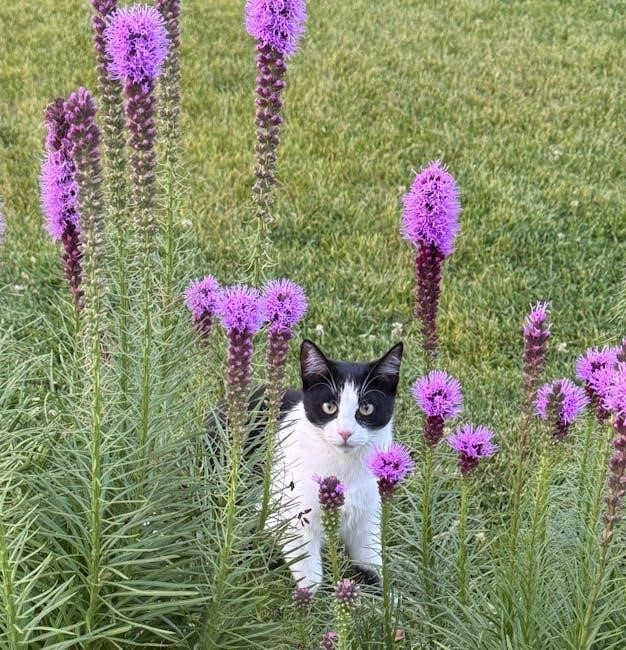
Blazing star (Liatris spicata) adds vertical interest with its spiky blooms, and goldenrod (Solidago spp) provides late-season golden hues. These perennials create a dynamic, colorful display, supporting local ecosystems and offering beauty throughout the growing season.
Considerations for Plant Height and Spread
Planning for mature size is crucial; prairie plants vary greatly. Taller grasses like Big Bluestem can reach 6-8 feet, creating a backdrop for shorter perennials. Consider layering – place lower-growing plants at the front of borders, gradually increasing height towards the back.
Account for spread; some perennials, like coneflowers, self-seed readily. Allow ample space to prevent overcrowding and ensure good air circulation. Grouping plants in drifts, rather than isolated specimens, mimics natural prairie landscapes and enhances visual impact.
Designing Your Prairie Garden
Embrace naturalistic designs, mirroring the American prairies with flowing plant groupings and minimal rigid structure for a romantic, informal aesthetic.
Garden Layout and Plant Grouping
Effective prairie garden design centers around mimicking natural prairie ecosystems. Avoid overly formal layouts; instead, opt for flowing, organic shapes and drifts of plants. Group plants based on their height, bloom time, and texture to create visually appealing layers.
Consider planting in irregular masses rather than straight lines or symmetrical patterns. This encourages a more naturalistic feel. Vary plant densities to simulate the varying conditions found in a real prairie – some areas denser, others more open.
Think about how plants will look throughout the seasons, considering foliage color, seed head persistence, and winter interest. Careful plant grouping enhances the garden’s beauty and ecological function.
Creating Naturalistic Designs
Embrace asymmetry and irregularity when designing a naturalistic prairie garden. Mimic the wild, untamed beauty of native prairies by avoiding rigid lines and formal structures. Allow plants to self-seed and spread, creating a dynamic and evolving landscape.
Focus on plant communities rather than individual specimens. Observe how plants grow together in natural settings and replicate those associations in your garden. Incorporate varying heights and textures to create depth and visual interest.
Let the plants dictate the form, rather than imposing a strict design. This approach fosters a sense of wildness and authenticity.
Incorporating Pathways and Features
Winding pathways constructed from natural materials like gravel, wood chips, or stepping stones can guide visitors through your prairie garden, offering immersive experiences. Avoid straight paths; instead, mimic the meandering trails found in natural prairies.
Introduce subtle features that complement the natural aesthetic. Boulders, driftwood, or small groupings of rocks can add visual interest and provide habitat for wildlife. Consider a dry creek bed to enhance the naturalistic feel.
Keep features understated and avoid overly manicured elements. The goal is to blend seamlessly with the surrounding prairie landscape.
Planting and Establishing Prairie Plants
Prairie plants thrive when installed as seeds or plugs; timing is crucial, typically in fall or spring, followed by consistent watering during establishment.
Seed vs. Plug/Plant Installation
Choosing between seeds and established plants – plugs or larger plants – significantly impacts your prairie garden’s establishment timeline and initial effort. Seeds are generally more economical, offering greater diversity, but require patience as germination and growth take time. Expect a slower initial fill-in and potential need for multiple seasons to achieve a dense, natural look.
Plugs and plants, while more expensive, provide instant gratification with immediate visual impact. They establish faster, outcompeting weeds more effectively in the early stages. This method is ideal for smaller gardens or when a quicker, more defined result is desired. Consider the trade-offs between cost, time, and desired aesthetic when making your selection.
Best Time for Planting
Timing is crucial for successful prairie plant establishment. Fall planting (late September to November) is generally preferred, allowing roots to develop before the ground freezes, resulting in stronger spring growth. This mimics natural seed dormancy and provides a head start against weed competition.
Spring planting (March to May) is also viable, but requires consistent moisture, especially during establishment. Avoid planting during the heat of summer, as stress can hinder root development. Ensure adequate watering following either planting method, particularly during the first few weeks, to encourage robust growth and successful integration into your prairie garden.
Watering and Initial Care
Newly planted prairie plants require consistent moisture to establish a strong root system. Water deeply and regularly during the first few weeks, especially if rainfall is scarce. Gradually reduce watering frequency as plants become established, encouraging deep root growth and drought tolerance.
Mulching around plants helps retain moisture, suppress weeds, and regulate soil temperature. Avoid excessive fertilization, as prairie plants thrive in leaner soils. Monitor for pests and diseases, addressing any issues promptly. Patience is key – prairie gardens take time to mature and reach their full potential.
Maintaining Your Prairie Garden
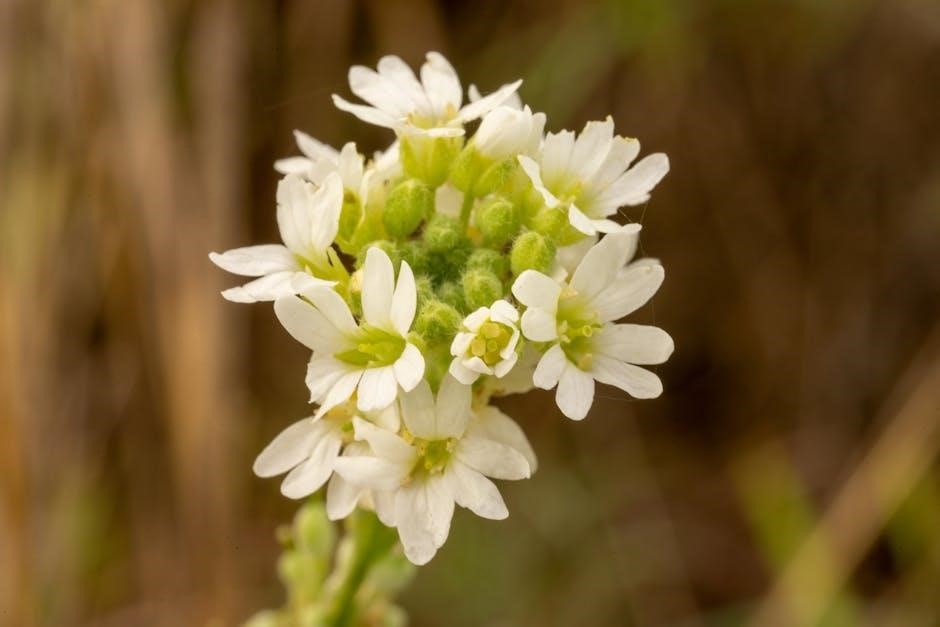
Long-term prairie garden health involves strategic weed control, potential controlled burns, and thoughtful deadheading/pruning to encourage robust growth and flowering.
Weed Control Strategies
Establishing a thriving prairie garden demands diligent weed management, particularly during the initial years. Because prairie plants develop slowly, weeds can quickly dominate if left unchecked. Hand-pulling remains effective for smaller areas, targeting weeds before they set seed is crucial. Mulching with straw or shredded leaves can suppress weed germination, but use sparingly as prairie seeds need sunlight.
Avoid herbicides whenever possible, prioritizing manual removal to protect beneficial insects and the overall ecosystem. Consistent monitoring and prompt action are key to minimizing weed pressure and allowing native prairie plants to flourish, creating a beautiful and self-sustaining landscape.
Controlled Burning (if applicable)
Historically, fire played a vital role in maintaining prairie ecosystems, and controlled burns can be beneficial in larger prairie gardens. Burning removes accumulated dead plant material, stimulating new growth and suppressing woody encroachment. However, it requires careful planning, permits, and adherence to safety regulations.
Smaller gardens may not require burning; instead, consider cutting back plants in late winter or early spring. If undertaking a burn, consult with local fire authorities and experienced prairie managers. Proper timing and technique are essential to ensure a safe and effective burn that promotes prairie health and biodiversity.
Deadheading and Pruning
While prairies are naturally self-sufficient, some maintenance enhances their appearance and promotes continued blooming. Deadheading spent flowers encourages reblooming in many prairie perennials, extending the flowering season and preventing unwanted self-seeding.
Pruning is generally minimal; however, cutting back foliage in late winter or early spring before new growth emerges helps tidy the garden and stimulates vigorous growth. Avoid heavy pruning, as many prairie plants have structural integrity crucial for winter survival and wildlife habitat. Focus on removing dead or damaged stems.
Prairie Plants for Different Garden Styles
Prairie plants adapt remarkably well to diverse garden aesthetics—from formal, structured designs to informal, naturalistic landscapes, and vibrant pollinator-friendly havens.
Formal Prairie Gardens
Creating a formal prairie garden involves a deliberate and structured approach, contrasting with the wilder, naturalistic style often associated with prairie plantings. This style utilizes the textures and forms of prairie plants within a defined geometric layout. Think carefully considered plant groupings, repeating patterns, and neatly maintained edges.
Select prairie species with upright growth habits and consistent bloom times for a polished appearance. Incorporate hardscaping elements like stone pathways or symmetrical seating areas to enhance the formality. While embracing native plants, a formal prairie garden demonstrates control and intentional design, offering a unique and sophisticated interpretation of the prairie aesthetic.
Informal/Naturalistic Prairie Gardens
Embracing a naturalistic approach, informal prairie gardens aim to mimic the beauty and diversity of native prairies with minimal intervention. This style prioritizes plant communities and ecological function over rigid design. Allow plants to self-seed and spread, creating a dynamic and evolving landscape.
Focus on layering plants of varying heights and textures to simulate the natural stratification of a prairie ecosystem. Incorporate meandering pathways and natural features like rocks or logs. The goal is to create a sense of wildness and authenticity, celebrating the inherent beauty of prairie plants in a relaxed and unconstrained setting.
Pollinator-Friendly Prairie Gardens
Prairie plants are a haven for pollinators, offering vital nectar and pollen sources for bees, butterflies, and other beneficial insects. Designing with pollinators in mind enhances biodiversity and supports a healthy ecosystem. Select a diverse range of flowering perennials with staggered bloom times to provide continuous food throughout the growing season.
Prioritize native species, as pollinators have evolved alongside them. Avoid cultivars with double blooms, as they often lack accessible pollen and nectar. Include host plants for butterfly larvae, creating a complete habitat. A pollinator-friendly prairie garden is a vibrant and ecologically valuable addition to any landscape.
Troubleshooting Common Issues
Addressing challenges like pests, diseases, or invasive species requires diligent monitoring and targeted interventions to maintain a thriving, balanced prairie garden ecosystem.
Pest and Disease Management
Prairie plants, being native, generally exhibit strong resistance to local pests and diseases, reducing the need for extensive intervention. However, monitoring remains crucial. Inspect plants regularly for unusual spots, holes, or discoloration, indicating potential problems.
Often, a healthy prairie ecosystem fosters natural predator-prey relationships, controlling pest populations organically. Avoid broad-spectrum pesticides, as they can disrupt this balance and harm beneficial insects. If intervention is necessary, opt for targeted solutions like insecticidal soap or horticultural oil.
Good air circulation, achieved through proper plant spacing, minimizes fungal diseases. Remove and dispose of any infected plant material promptly to prevent spread. Prioritize preventative measures by selecting disease-resistant varieties whenever possible.
Addressing Plant Competition
Prairie gardens thrive on diversity, but initial plant competition can occur, especially during establishment. Aggressive species may overshadow slower-growing ones, hindering their development. Careful plant selection and strategic placement are key to mitigating this.
Consider the mature size and growth habit of each plant when designing your garden. Taller grasses shouldn’t completely block sunlight from lower perennials. Thinning out overly dense patches can provide more space and resources for all plants.
Regular monitoring allows you to identify and address competitive imbalances early on. Don’t be afraid to transplant or divide plants to ensure a balanced and thriving prairie ecosystem.
Dealing with Invasive Species
Maintaining a prairie garden requires vigilance against invasive species that can disrupt the native plant community. These unwanted plants often outcompete desirable prairie flora, diminishing biodiversity and altering the ecosystem’s balance. Early detection is crucial for effective control.
Regularly scout your garden for unfamiliar plants and promptly remove any identified invasives, including roots, to prevent re-establishment. Hand-pulling is effective for small infestations, while larger areas may require targeted herbicide application – always following label instructions carefully.
Prioritize restoring native plant cover to suppress future invasive growth.
Resources for Prairie Gardeners
Explore local native plant societies, online databases, and recommended publications like “The Prairie Garden” for expert guidance and plant sourcing.
Local Native Plant Societies
Connecting with local native plant societies is an invaluable step for any prairie gardener. These organizations offer a wealth of knowledge specific to your region’s ecosystems and native flora. They frequently host workshops, plant sales featuring locally sourced species, and guided field trips to existing prairie restorations.
Members are often eager to share their expertise, providing advice on plant selection, site preparation, and ongoing maintenance. Societies also advocate for the preservation of native habitats and can offer insights into responsible gardening practices. Finding a local chapter fosters a community of like-minded individuals passionate about prairie conservation and gardening.
Online Databases and Nurseries
Online Databases and Nurries
Numerous online resources greatly assist in planning and implementing a prairie garden. Databases like the Lady Bird Johnson Wildflower Center’s Native Plant Database (nps.org) provide detailed information on plant characteristics, growing conditions, and geographic distribution. Several nurseries specialize in native prairie plants, offering a wide selection of seeds, plugs, and established plants for purchase.
When selecting a nursery, prioritize those committed to sourcing genetically appropriate plants for your region. Online platforms often feature customer reviews and detailed plant descriptions, aiding informed decision-making. Remember to verify the source and ensure plants are ethically and sustainably propagated.
Recommended Books and Publications
For in-depth knowledge, several publications are invaluable resources for prairie gardening enthusiasts. “The Prairie Garden,” a yearly publication, consistently delivers topical and helpful advice for gardeners of all skill levels, making it a cherished resource. Exploring books focused on native plant landscaping and prairie ecosystems provides a strong foundation.
Seek out guides detailing plant identification, ecological principles, and sustainable gardening practices. These resources often include practical advice on site preparation, plant selection, and long-term garden maintenance, enhancing your success and appreciation for prairie landscapes.