Alphonso Dunn masterfully blends traditional techniques with modern sensibilities‚ offering a refreshing approach to pen and ink. His work inspires artists
to explore detailed‚ expressive drawings‚ and provides a gateway to understanding this captivating medium.
Alphonso Dunn’s Approach to Pen and Ink
Alphonso Dunn’s distinctive style centers around meticulous line work and a profound understanding of tonal values. He doesn’t shy away from complexity‚ embracing intricate details to build depth and realism within his drawings.
Dunn emphasizes the importance of observing negative space – the areas around the subject – to accurately capture form and proportion. His technique isn’t about simply replicating what he sees‚ but interpreting it through a unique‚ expressive lens.
He encourages artists to prioritize line quality‚ creating variations in weight and texture to add visual interest and dynamism to their work.
The Appeal of Pen and Ink
Pen and ink drawing possesses a timeless quality‚ offering a direct and intimate connection between artist and medium. Its simplicity is deceptive; with just a pen and ink‚ artists can achieve remarkable detail‚ texture‚ and tonal range. The permanence of ink lends a sense of finality and intentionality to each mark.
This medium fosters patience and precision‚ encouraging mindful observation. Furthermore‚ pen and ink is incredibly portable and accessible‚ making it ideal for sketching on the go‚ capturing fleeting moments‚ and exploring artistic expression anywhere.
Essential Materials for Beginners
Starting with pen and ink requires minimal investment: pens (fineliners‚ dip pens)‚ suitable paper—smooth or textured—and quality waterproof or non-waterproof ink.
Types of Pens: Fineliners‚ Dip Pens‚ and Brush Pens
Fineliners offer consistent line widths‚ ideal for detailed work and beginners. Dip pens‚ with interchangeable nibs‚ provide expressive line variation‚ demanding practice for control. Brush pens‚ combining pen and brush characteristics‚ excel at dynamic strokes and tonal gradients.
Alphonso Dunn frequently utilizes fine-tipped pens for intricate details‚ but encourages experimentation. Consider nib sizes for dip pens – finer for detail‚ broader for bolder lines. The choice depends on your desired style and comfort level‚ influencing the overall aesthetic of your pen and ink creations.
Paper Choices: Smooth vs. Textured
Smooth paper‚ like Bristol board‚ minimizes feathering and allows for crisp‚ clean lines – excellent for detailed pen work. Textured paper‚ such as watercolor paper‚ introduces a tactile quality and can enhance ink spread‚ creating unique effects.
Alphonso Dunn’s style often benefits from smoother surfaces to showcase intricate linework. However‚ experimenting with texture can add depth. Consider paper weight; heavier paper prevents bleed-through. Ultimately‚ the best choice depends on your technique and desired visual outcome.
Ink Options: Waterproof vs. Non-Waterproof
Waterproof inks‚ like India ink‚ are permanent once dry‚ ideal for layering and wash techniques without smudging. Non-waterproof inks allow for blending and lifting‚ offering a different expressive range. Alphonso Dunn frequently utilizes waterproof inks for precision and durability in his detailed work.
Choosing the right ink impacts your workflow. Waterproof inks are essential if you plan to add watercolor or other wet media. Non-waterproof inks are great for experimentation and achieving softer effects.
Basic Pen and Ink Techniques
Fundamental techniques like hatching‚ cross-hatching‚ and stippling build tone and texture. Mastering line weight variation adds depth and visual interest to drawings.
Hatching and Cross-Hatching
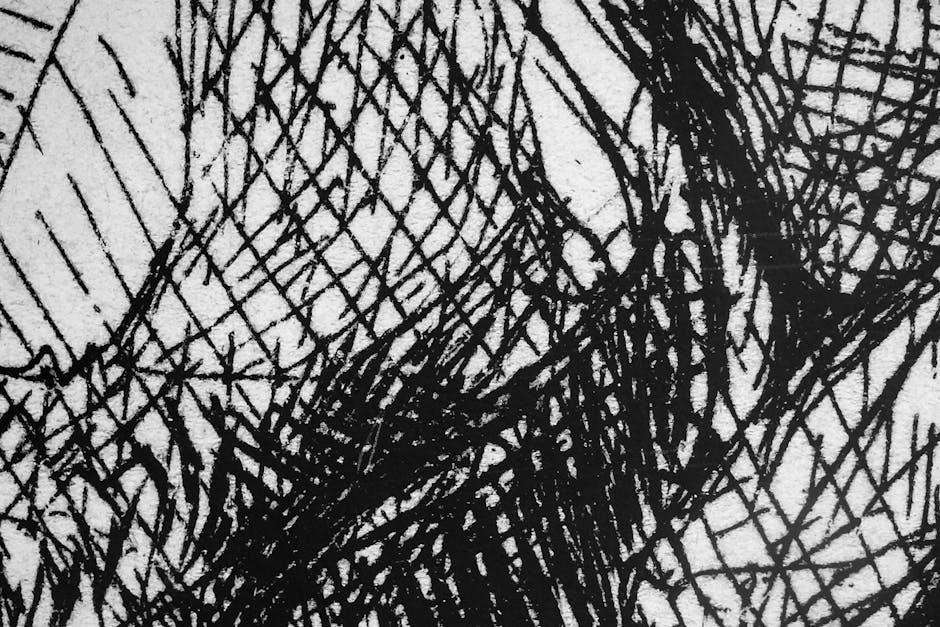
Hatching involves drawing parallel lines to create value; closer lines mean darker areas. Cross-hatching builds upon this by layering lines at angles‚ intensifying shadows and form. Alphonso Dunn demonstrates how varying line weight within these techniques adds nuance.
Experiment with line spacing and direction to achieve different textures. Consider the light source when determining line flow – lines generally follow the form. Practice controlling pressure for consistent‚ expressive marks. These foundational skills are crucial for building realistic depth and dimension in pen and ink artwork.
Stippling: Creating Tone with Dots
Stippling utilizes dots to build up value; denser dot concentrations create darker tones‚ while sparse dots suggest lightness. Alphonso Dunn’s approach emphasizes controlled dot placement for subtle gradations. This technique demands patience but yields incredibly detailed and textured results.
Varying dot size also impacts perceived value. Practice consistent dot application and observe how density affects the overall form. Stippling is excellent for rendering complex textures like foliage or fur‚ offering a unique visual aesthetic.
Line Weight Variation
Line weight‚ the thickness of your lines‚ is crucial for creating depth and visual interest. Alphonso Dunn skillfully employs varying line weights to define form and emphasize focal points. Thicker lines can suggest proximity or shadow‚ while thinner lines indicate distance or highlights.
Experiment with different pen pressures and nib sizes to achieve a range of line weights. Practice controlling your hand movements for consistent and deliberate line variations‚ enhancing the overall dynamism of your pen and ink drawings.
Alphonso Dunn’s Techniques in Detail
Dunn’s style centers on meticulous line work‚ masterful negative space utilization‚ and unique textural approaches‚ resulting in incredibly detailed and captivating pen and ink illustrations.
Dunn’s Emphasis on Line Quality
Alphonso Dunn places paramount importance on the quality of each line‚ believing it forms the very foundation of compelling pen and ink artwork. He advocates for deliberate‚ confident strokes‚ varying line weight to create depth and visual interest.
This isn’t simply about accuracy; it’s about imbuing each line with character and intention. Dunn encourages artists to practice control‚ focusing on the subtle nuances that elevate a drawing from merely representational to truly expressive.
He demonstrates how a single‚ well-placed line can define form‚ suggest texture‚ and guide the viewer’s eye‚ ultimately transforming a simple sketch into a dynamic and engaging piece of art.
Using Negative Space in Dunn’s Style
Alphonso Dunn skillfully employs negative space – the areas around the subject – as a crucial element in his compositions. He doesn’t solely focus on rendering the object itself‚ but actively shapes the surrounding emptiness. This technique creates a sense of balance and allows the subject to ‘breathe’ within the artwork.
Dunn’s approach highlights how negative space can define form just as effectively as lines‚ adding depth and complexity. By consciously considering these voids‚ artists can achieve more dynamic and visually arresting results.
Creating Texture with Pen and Ink (Dunn’s Method)
Alphonso Dunn achieves remarkable textures through varied pen strokes and layering techniques. He doesn’t rely on simply outlining; instead‚ he builds up tone and form using meticulous hatching‚ cross-hatching‚ and stippling. Dunn’s method involves controlling line weight and density to simulate different surfaces – from rough stone to smooth metal.
He emphasizes observing real-world textures and translating them into a language of lines‚ creating depth and realism within his intricate pen and ink drawings.
Drawing Fundamentals Applied to Pen and Ink
Pen and ink demands a strong grasp of fundamentals like perspective‚ composition‚ and value. Mastering these elements elevates drawings‚ providing a solid foundation for artistic expression.
Understanding Perspective
Perspective is crucial in pen and ink‚ creating the illusion of depth on a flat surface. Linear perspective‚ utilizing vanishing points and horizon lines‚ is fundamental.
Understanding one‚ two‚ and three-point perspective allows artists to accurately depict spatial relationships. Atmospheric perspective‚ achieved through value changes‚ enhances depth.
Dunn’s work often features complex architectural scenes‚ demonstrating a keen understanding of perspective. Practicing basic perspective exercises – drawing cubes‚ buildings‚ and interiors – builds a strong foundation. Careful observation of how lines converge and objects diminish in size with distance is key to realistic representation.
Composition and Rule of Thirds
Composition guides the viewer’s eye and creates a harmonious arrangement of elements. The Rule of Thirds‚ dividing the image into nine equal parts with two horizontal and two vertical lines‚ is a powerful tool. Placing key elements along these lines or at their intersections creates visual interest and balance.
Alphonso Dunn’s drawings often exhibit strong compositional structure‚ leading the eye through intricate details. Consider foreground‚ middle ground‚ and background to create depth. Experiment with leading lines‚ symmetry‚ and asymmetry to enhance your compositions. A well-composed drawing is more engaging and impactful.
Light and Shadow in Pen and Ink
Pen and ink relies on value – the lightness or darkness of tones – to create the illusion of form and depth. Mastering light and shadow is crucial. Utilize techniques like hatching and stippling to build up darker areas‚ representing shadows where light doesn’t reach.
Alphonso Dunn’s work demonstrates a keen understanding of how light interacts with surfaces. Observe how light defines shapes and creates contrast. Consider the light source’s direction and intensity. Careful value control transforms a flat drawing into a three-dimensional representation.
Step-by-Step Simple Drawing Guide (Inspired by Dunn)
Begin with light sketching of basic forms‚ gradually building detail with confident lines. Focus on observing shapes and values‚ mirroring Dunn’s meticulous approach.
Sketching the Basic Shapes
Initiate your drawing by lightly outlining the fundamental shapes that comprise your subject. Don’t press hard with your pencil; these lines are merely guides. Alphonso Dunn emphasizes a strong foundation‚ so accurately capturing proportions at this stage is crucial. Break down complex forms into simpler geometric shapes – cubes‚ spheres‚ cylinders‚ and cones.
Observe negative spaces‚ the areas around your subject‚ as these help define its form. This technique‚ favored by Dunn‚ enhances accuracy. Continuously refine these initial sketches‚ adjusting until you achieve a satisfactory representation of the overall structure before committing to ink;
Adding Details with Line Work
Once the basic shapes are established‚ begin layering details using varied line weights. Alphonso Dunn’s style showcases incredible precision; practice controlled strokes. Start with defining the major contours‚ then gradually introduce smaller details like textures and patterns. Consider the light source and how it affects the forms‚ emphasizing edges that catch the light.
Don’t be afraid to overlap lines to build depth and create a sense of form. Remember‚ pen and ink is about building up tone through careful line placement‚ mirroring Dunn’s meticulous approach.
Developing Tone and Value
Achieving realistic depth relies on mastering tone and value. Employ techniques like hatching and cross-hatching‚ inspired by Alphonso Dunn’s work‚ to build shadows gradually. Denser areas of lines create darker values‚ while sparser lines suggest lighter areas. Stippling – using dots – offers another method for subtle tonal variations.
Observe how light interacts with your subject and translate that observation into varying line densities. Remember‚ value defines form and creates a sense of three-dimensionality‚ crucial for compelling drawings.
Common Mistakes and How to Avoid Them
Beginners often overwork drawings‚ creating muddy results. Embrace imperfections‚ practice controlled line weight‚ and remember that less is often more‚ mirroring Dunn’s style.
Overworking the Drawing
A frequent pitfall for pen and ink artists‚ especially beginners‚ is the tendency to overwork a drawing. This manifests as excessive hatching‚ unnecessary details‚ and a general lack of breathing room within the composition. Alphonso Dunn’s style‚ while detailed‚ achieves its impact through selective mark-making.
To avoid this‚ consciously step back from your work frequently. Assess the overall value structure and identify areas that truly need further refinement. Resist the urge to fill every space with lines; negative space is crucial. Embrace the power of suggestion – let the viewer’s eye complete the form. Remember‚ a confident‚ restrained approach often yields more compelling results than relentless detailing.
Uneven Line Weight
Consistent line weight is fundamental to strong pen and ink drawings‚ yet achieving it can be challenging. Alphonso Dunn’s work demonstrates a masterful control of line variation‚ but even subtle inconsistencies can disrupt the visual harmony. Practice drills focusing on maintaining a steady hand pressure and consistent speed are essential.
Experiment with different pens and grips to find what feels most comfortable. Regularly check your lines as you draw‚ and don’t be afraid to lightly sketch guidelines before committing to darker‚ definitive strokes. A varied line weight‚ when intentional‚ adds depth‚ but unintentional fluctuations appear amateurish.
Fear of Making Mistakes
Pen and ink can feel unforgiving‚ leading to hesitation and a fear of permanent errors. Alphonso Dunn encourages embracing imperfections as part of the learning process. Remember that every line‚ even a “mistake‚” contributes to the overall texture and character of the drawing.
Start lightly‚ building up tones and details gradually. Use a kneaded eraser cautiously to lift ink if needed‚ but accept that some lines will remain. View errors not as failures‚ but as opportunities for creative problem-solving and stylistic exploration.
Resources for Further Learning
Explore Alphonso Dunn’s instructional books and workshops for in-depth guidance. Numerous online tutorials and vibrant artist communities offer support and inspiration.
Alphonso Dunn’s Books and Workshops
Alphonso Dunn provides comprehensive learning resources for aspiring pen and ink artists. His books delve into techniques‚ offering detailed demonstrations and insightful advice on achieving captivating results. These publications are excellent starting points for beginners and seasoned artists alike‚ fostering a deeper understanding of line work and tonal values.
Furthermore‚ Dunn conducts workshops‚ providing personalized instruction and hands-on experience. These immersive sessions allow students to refine their skills under his direct guidance‚ accelerating their artistic development and unlocking their creative potential. Check his official website for schedules and locations.
Online Pen and Ink Tutorials
Numerous online platforms offer valuable pen and ink tutorials‚ complementing Alphonso Dunn’s teachings. Websites like Skillshare and YouTube host courses covering foundational techniques‚ from hatching and cross-hatching to advanced shading methods. These resources often feature step-by-step demonstrations‚ making complex concepts accessible to learners of all levels.
Additionally‚ many artists share free tutorials and tips on their blogs and social media channels. Exploring these diverse perspectives can broaden your understanding and inspire new approaches to pen and ink drawing‚ building upon the principles Dunn emphasizes.
Communities and Forums for Pen and Ink Artists
Engaging with fellow pen and ink enthusiasts fosters growth and provides valuable feedback. Online forums‚ such as those found on Reddit (r/penandink) and DeviantArt‚ offer spaces to share work‚ ask questions‚ and receive constructive criticism. These communities often host challenges and discussions‚ encouraging experimentation and skill development.
Furthermore‚ Facebook groups dedicated to pen and ink drawing connect artists globally‚ allowing for instant feedback and inspiration. Participating in these communities complements learning from Alphonso Dunn’s techniques‚ broadening your artistic network.
Advanced Techniques to Explore
Beyond foundational skills‚ explore wash techniques‚ combining ink with watercolor for nuanced effects‚ and mixed media approaches to expand creative possibilities.
Wash Techniques with Ink
Ink washes introduce a tonal dimension beyond line work‚ creating atmospheric depth and form. Diluting waterproof ink with water allows for smooth‚ gradient applications‚ mimicking watercolor effects.
Experiment with varying water-to-ink ratios to control the wash’s intensity – more water yields lighter tones‚ while less creates richer‚ darker areas.
Applying washes strategically enhances shadows‚ suggests textures‚ and unifies disparate elements within a drawing. Consider layering washes to build up complexity and achieve subtle transitions. Practice controlling the wash’s flow to avoid unwanted blooms or hard edges‚ embracing the unique character of the medium.
Combining Pen and Ink with Watercolor
Watercolor and pen & ink create a harmonious synergy‚ leveraging each medium’s strengths. The precise lines of ink provide structure and detail‚ while watercolor introduces fluidity and vibrant color. Begin with a light pencil sketch‚ then apply ink for outlines and key details.
Watercolor washes can then be layered over the ink‚ allowing the ink lines to resist the paint‚ creating interesting textures and effects. Ensure your ink is waterproof to prevent bleeding. Experiment with different watercolor techniques – wet-on-wet‚ dry brush – to achieve diverse visual results.
Mixed Media Approaches
Expanding beyond watercolor‚ pen and ink beautifully integrates with various media. Consider incorporating colored pencils for subtle shading or gouache for opaque highlights. Collage elements – paper‚ fabric – can add texture and depth to your artwork‚ creating unique visual narratives.
Experiment with acrylics‚ applying them before or after the ink work‚ depending on the desired effect. Remember to build layers thoughtfully‚ allowing each medium to complement the others. This freedom fosters artistic exploration and personalized expression.
Inspiration and Subject Matter
Pen and ink excels at capturing diverse subjects – from detailed urban landscapes to delicate botanical studies and expressive portraiture‚ offering endless creative possibilities.
Urban Sketching with Pen and Ink
Urban sketching with pen and ink is a fantastic way to document your surroundings and hone your observational skills. Alphonso Dunn’s approach encourages quick‚ confident lines to capture the essence of a scene.
Focus on key architectural details‚ bustling street life‚ and the interplay of light and shadow. Don’t strive for perfection; embrace the energy and immediacy of the moment. Utilize varied line weights to create depth and visual interest‚ and remember to simplify complex forms into manageable shapes.
Carry a small sketchbook and pen – a fineliner is ideal – and sketch on location whenever inspiration strikes.
Botanical Illustration
Botanical illustration using pen and ink demands precision and patience‚ yet offers stunning results. Alphonso Dunn’s techniques translate beautifully to capturing the delicate details of plant life.
Begin by lightly sketching the overall form‚ then build up layers of detail with varying line weights. Focus on accurately representing leaf venation‚ petal shapes‚ and stem structures. Stippling can effectively render subtle tonal variations and textures.
Observe your subject closely‚ and don’t be afraid to experiment with different pen nibs to achieve desired effects.
Portraiture in Pen and Ink
Portraiture in pen and ink presents a unique challenge‚ requiring a keen eye for anatomy and subtle shading. Alphonso Dunn’s emphasis on line quality is crucial for capturing likeness and expression.
Start with a light structural outline‚ focusing on proportions and key facial features. Build up tone gradually using hatching and cross-hatching to define form and create depth. Pay close attention to the interplay of light and shadow.
Don’t strive for perfection; embrace the expressive nature of the medium!